DISCOVER PROJECT
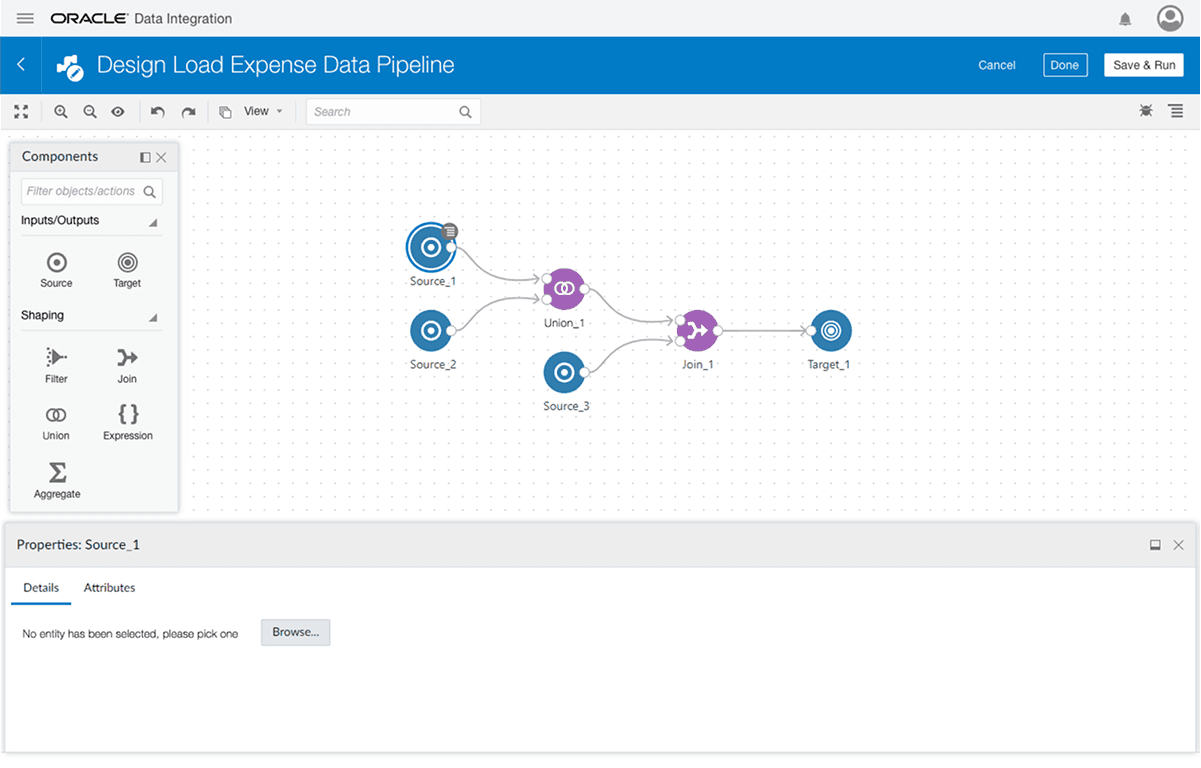
Flow-first data integration that makes orchestration, dependency, and intent legible.
COMPANY
Oracle
YEAR
2024
ROLE
UX leadership, system design, information architecture, interaction design, data integration, Redwood Design System
EXPERTISE
UX leadership, information architecture, interaction design, prototyping, data integration, Redwood Design system
view full CASE STUDY
Oracle Cloud Infrastructure Data Integration played a structurally outsized role inside OCI. It was not just a service for moving data. It became a control surface where orchestration, dependency, and operational intent were made visible — or remained hidden — depending on how the system was designed. I led UX for a new flow-based, cloud-native integration platform and chaired cross-service UX reviews, shaping how orchestration and dependency were represented across OCI services.
Why this work mattered
Legacy ETL and configuration-first models optimized for setup, not for understanding. As pipelines evolved and spanned services, system meaning lived in people and documentation rather than in the interface. This created hidden coupling, operational risk, and review friction — making it difficult for teams to confidently review, approve, and own pipeline behavior at scale. This work focused on making orchestration structure, dependency, and intent legible — so teams could reason about systems, not just complete tasks.
What changed
• Elevated orchestration to a first-class system representation • Made pipeline structure and dependency visible and reviewable • Shifted responsibility for system understanding from people to the platform • Aligned Redwood standards with enterprise workflow realities • Established flow-based integration patterns adopted across services
Key design principles
• Workflow expressiveness over surface minimalism • Structural visibility over parameter-only configuration • System comprehension as a platform health concern • Orchestration as the authoritative representation of intent
Solution
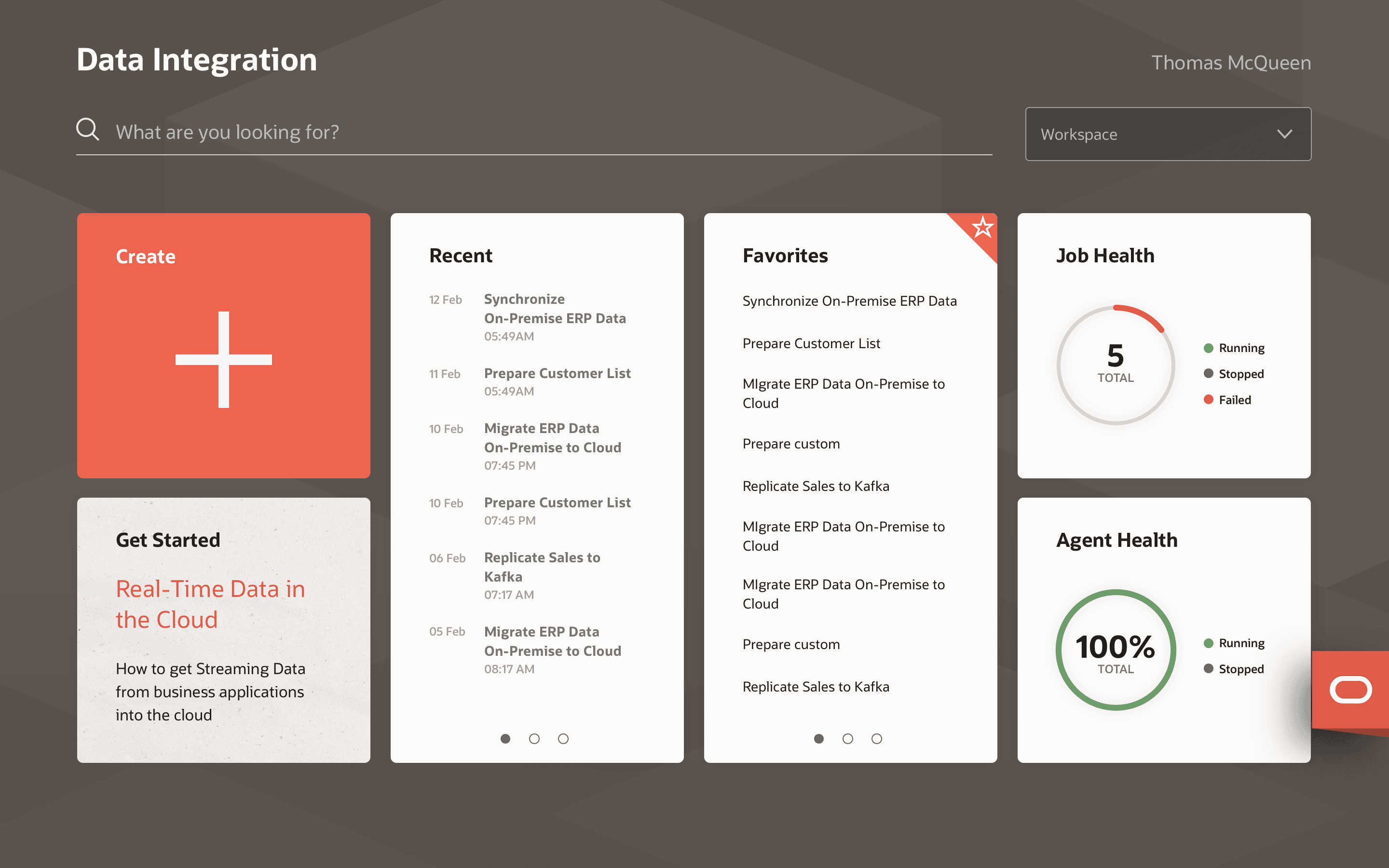
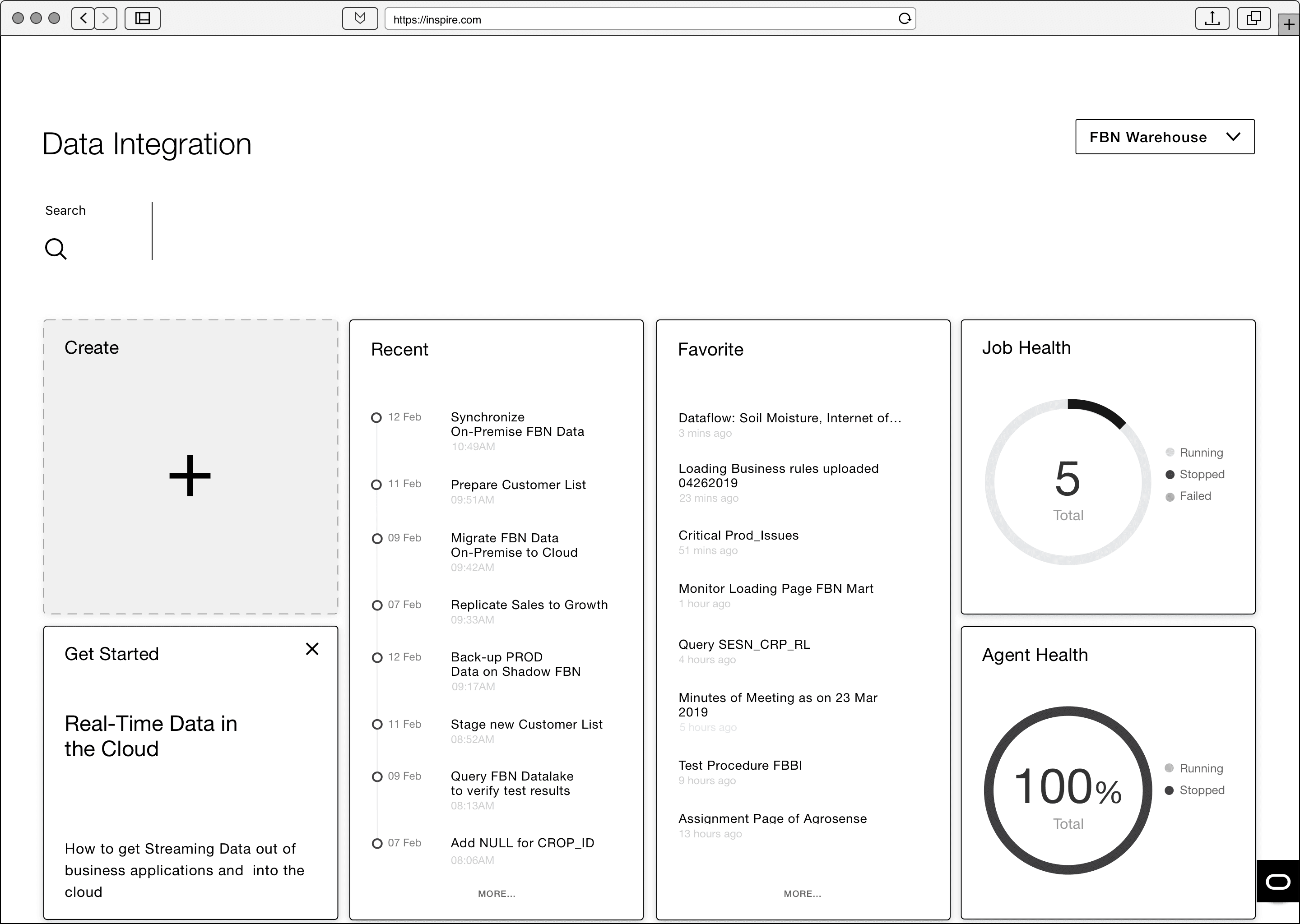
A flow-based, pipeline-first data integration experience with visible orchestration, dependency, and execution state. Operators could inspect, modify, and reason about pipelines as operational systems — not just sets of setup screens. Sources, transformations, schedules, connectors, and run history were unified around a shared structural model that made system behavior legible and reviewable.
Results & platform impact
• Established flow-based integration as a platform pattern • Influenced cross-service UX standards and review criteria • Shifted how teams reviewed, discussed, and owned pipeline behavior by making structure and dependency the shared artifact of record • Reduced reliance on tribal knowledge for understanding system impact
view full CASE STUDY