DISCOVER PROJECT
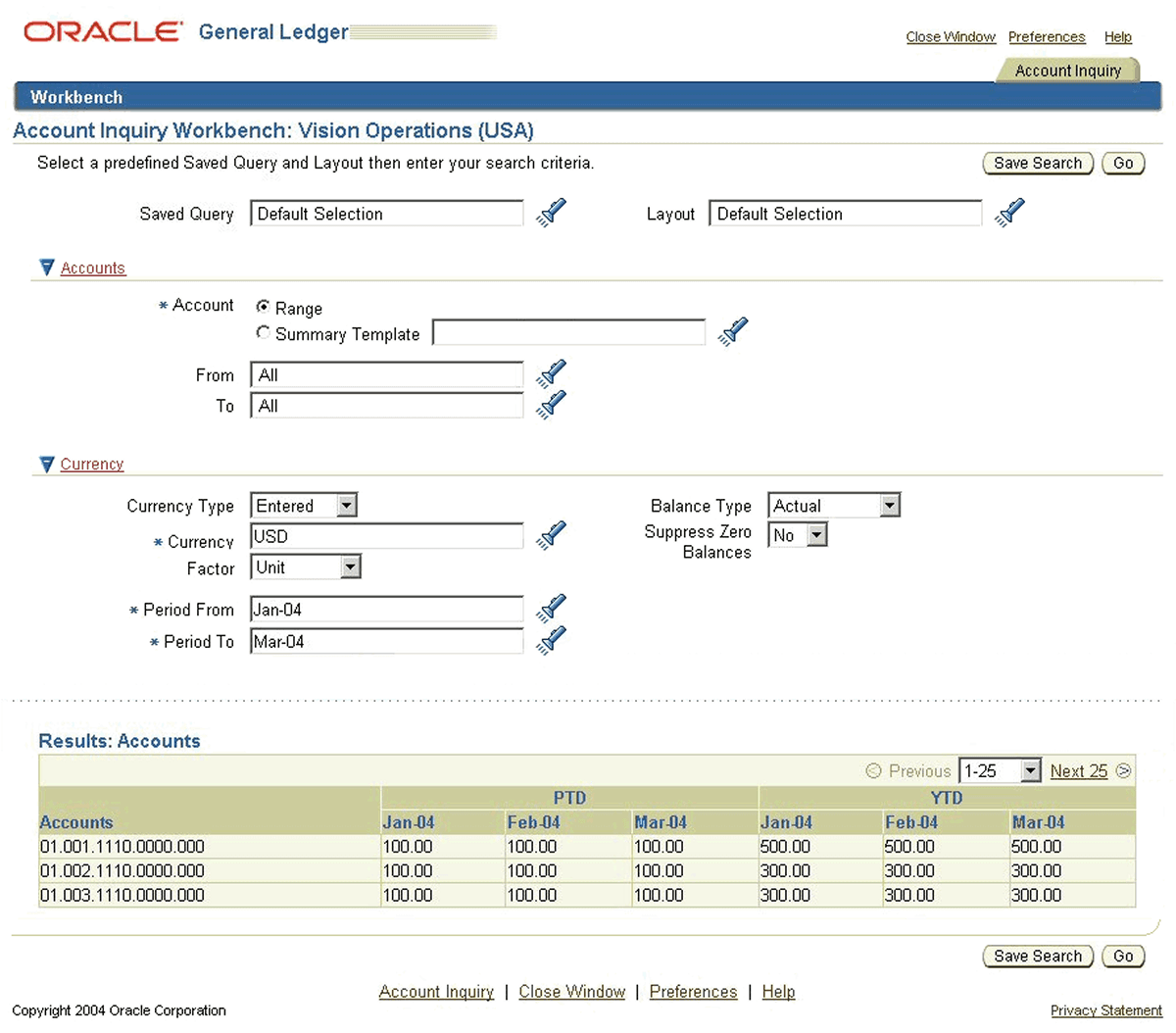
Modern finance UX turning complex data into faster, clearer decisions.
COMPANY
Oracle
YEAR
2004
ROLE
UX Designer — Advanced reporting and inquiry patterns for finance platform
EXPERTISE
UX design, interaction design, prototyping, reporting systems, data visualization
view full CASE STUDY
Redesigned account inquiry and related financial surfaces to support investigative reasoning — not just reporting. The work shifted inquiry from static balance review to a traceable workflow that helps accountants understand what changed, why it changed, and where it originated. The design preserved accounting structure while enabling investigative paths across balances, journals, and subledger detail.
Why this work mattered
Finance teams were not simply reviewing balances. They were tracing discrepancies across time, accounts, and sources to explain variance, validate results, and support audit and governance requirements. Legacy inquiry tools were optimized for summary review. This forced accountants to move across multiple disconnected surfaces, increasing cognitive load, slowing investigation, and obscuring causal chains. The result was reduced confidence and higher reconciliation effort.
Process
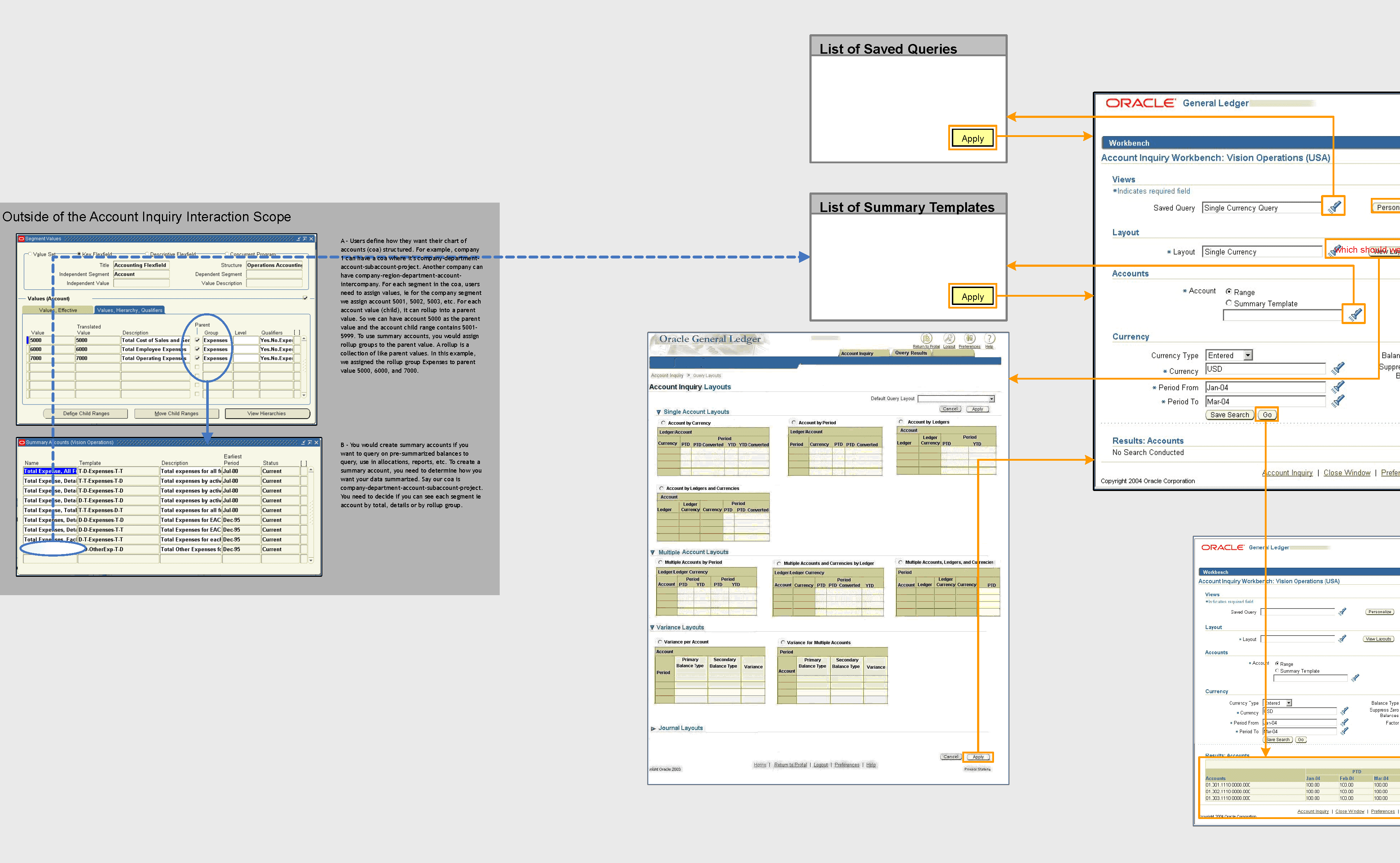
Mapped end-to-end investigative paths across balances, journals, and subledger detail to identify where context was lost and reasoning broke down. Reviewed legacy inquiry and reporting artifacts to surface structural friction, ownership boundaries, and performance constraints. Iterated on table density, filters, and drill behaviors to preserve investigative continuity while respecting platform and data-layer realities. Partnered with Product Management and Engineering to land repeatable interaction patterns across General Ledger and adjacent financial modules.
Understanding the work
Artifact reviews and stakeholder interviews showed that accountants rarely stopped at balances. They routinely traversed into journals and subledger detail to explain variance, validate outcomes, and support audit trails. The core challenge was not adding views. It was preserving investigative reasoning across steps — allowing users to reconstruct context at each transition without losing the causal thread.
Solution
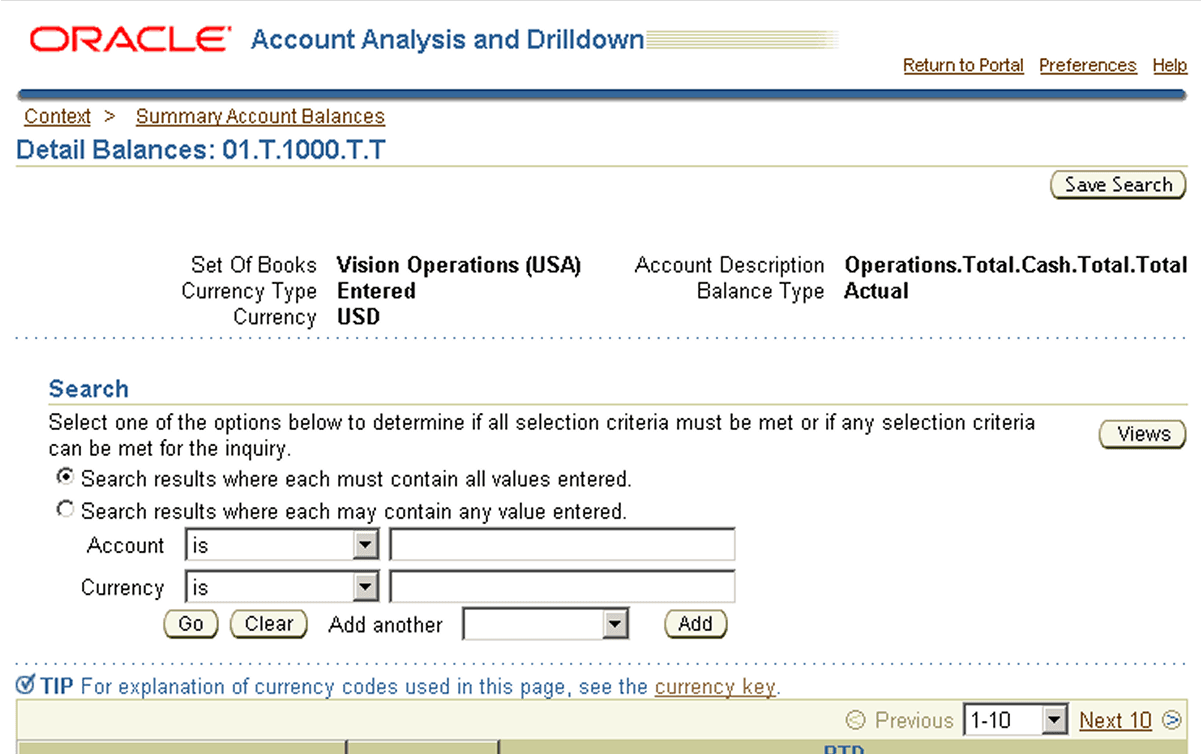
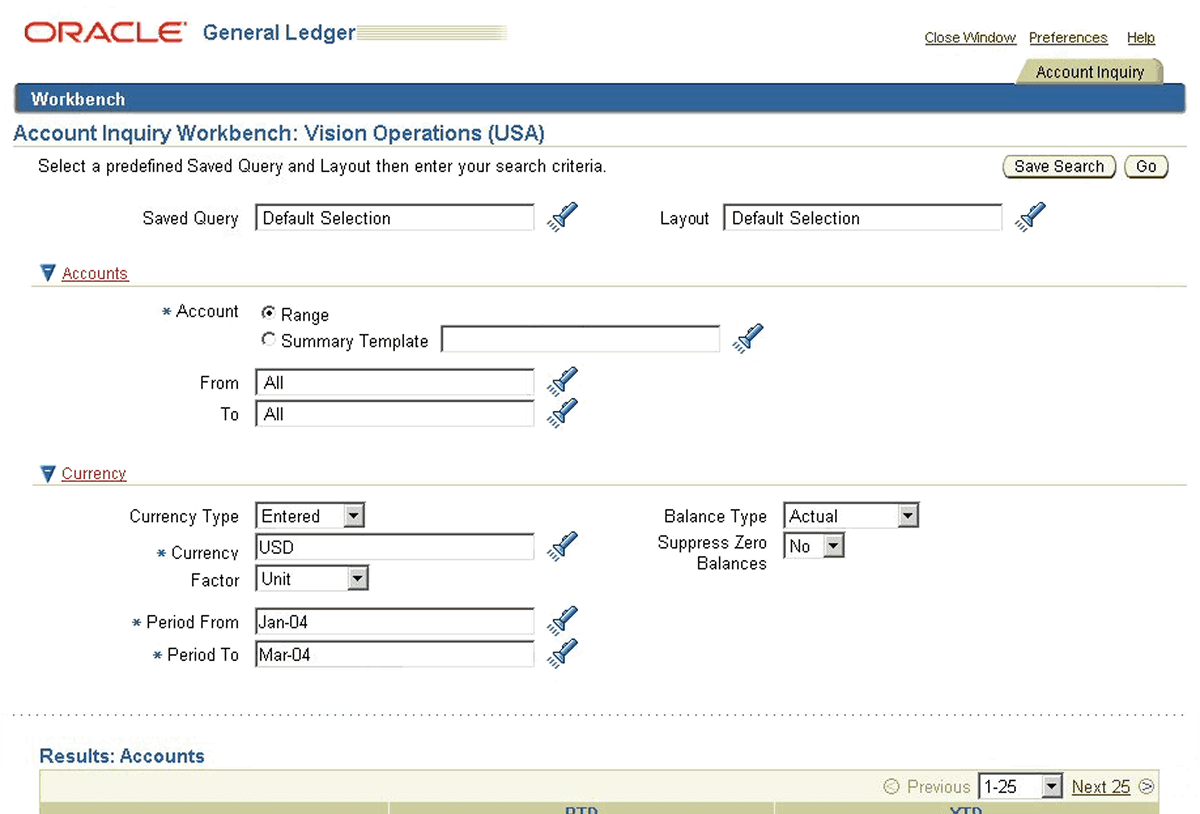
Account inquiry was reframed as an investigative surface rather than a static summary view. The experience preserved reasoning from balance to source, enabling accountants to follow variance and validation paths without losing operational context. Information hierarchy, interaction patterns, and drill behaviors were aligned to support traceability and explanation — not just review.
Results
Improved investigative speed and confidence in reconciliation workflows. Reduced surface switching and hand-offs between inquiry and reporting tools. Stakeholders reported clearer variance explanation and stronger traceability for audit and governance requirements. Causal relationships in financial data became easier to follow, supporting faster validation and decision-making.
view full CASE STUDY